

Teeth Grinding
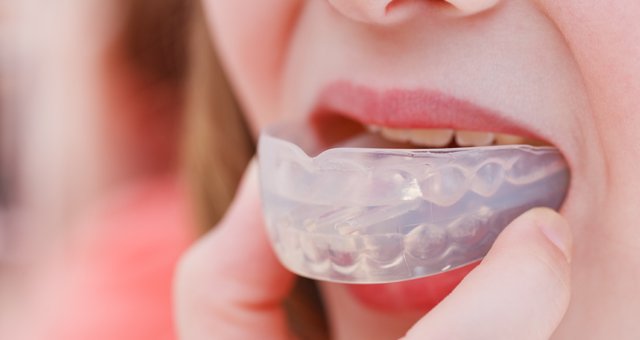
Teeth grinding, or Bruxism as it’s officially known, is one of those tricky conditions that you could be suffering from without even knowing it. An involuntary clenching, grinding and gnashing of the teeth, it doesn’t always display its symptoms in ways that are immediately noticeable.
Most people aren’t even aware they are grinding their teeth until their partners tell them or advanced symptoms such as jaw pain, headaches and worn down, sensitive teeth start to emerge.
Symptoms of tooth grinding
What makes working out if you grind your teeth so challenging is that while you may have some symptoms when you first wake up, they can quickly disappear; and if you grind teeth during waking hours, symptoms won’t be noticeable until later in the day.
So what should you be looking out for?
- Fractured, chipped or loose teeth
- A dull headache, sore jaws and/or ear pain
- Aching teeth, and stiffness in the face and temples, particularly after you’ve just woken up
- Sore jaws while you’re eating, especially at breakfast time
- Sensitivity to hot and cold food and drinks
- Intense jaw clenching
Even if you’re not sure that teeth grinding is responsible for the symptoms you’re experiencing, telling your dentist as soon as you suspect something’s wrong means they can perform a diagnosis and devise possible treatment options.
Problems caused by tooth grinding
All those niggling, sometime painful symptoms may be pointers to even worse damage being done. Teeth grinding places a lot of pressure on your teeth, cracking their protective enamel, fracturing them and breaking things like crowns and fillings, while placing great stress on your jaws joints and muscles.
You might also find your teeth are more sensitive to temperature fluctuations, and more painful to bite down on as the fibre that attaches them to the bone gets inflamed.
Causes and treatments
The range of likely causes of bruxism are physical and psychological meaning that any treatment will often need to address both these things. Your dentist, of course, will take care of the possible physical causes such as overly-high fillings, or missing or crooked teeth,and may fit with a mouthguard if you grind your teeth at night.
But if the source of your teeth grinding is emotional, or caused by illness, poor nutrition or long term pain, it’s important to deal with these issues ahead of seeing your dentist.
Click here to read the original article.
Services we mentioned:

More Wellness Infographics
Children’s Dentistry: What’s The Best Video Playlist To Occupy The Minds Of Junior Patients?
Kids. Ones with dutiful parents that take them to the dentist like clockwork; others who are typically not fans of being in the dentist’s chair because of the procedures they’ve already had to have. Few adults actually like going to the dentist and children are no...

Guidelines for Infection Prevention & Control 2021 Released By The ADA
It’s a complicated business whenever a dental practitioner applies for, or renews their registration. In doing so, they undertake to comply with all relevant Commonwealth and state legislation related to the practice of dentistry and the clinic to which they are...
Surprising Facts About Your Tongue: Beyond Taste, Talking & Kissing
Your tongue consists of the only group of muscles that work without the support of bone, and your tongue print is as unique as your fingerprint. And forget surprising - one of the most shocking facts about the tongue is that you can actually be born without one. More...

Oral Health For Infants And Toddlers
Children´s primary (baby) teeth are important for many reasons. They play a vital role in a healthy diet, learning to speak and…