Jacob of Melbourne’s All-on-4 JourneyRead more
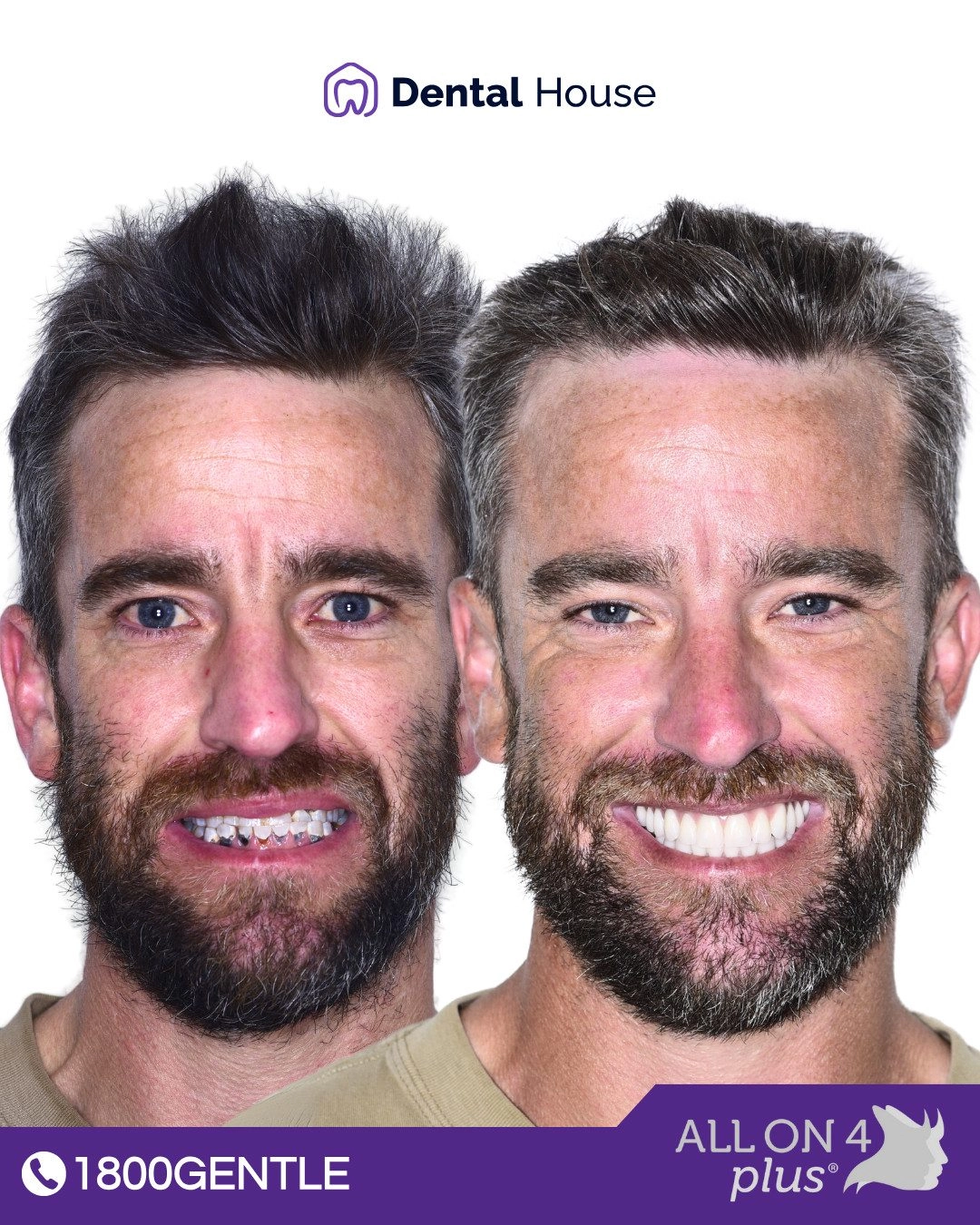
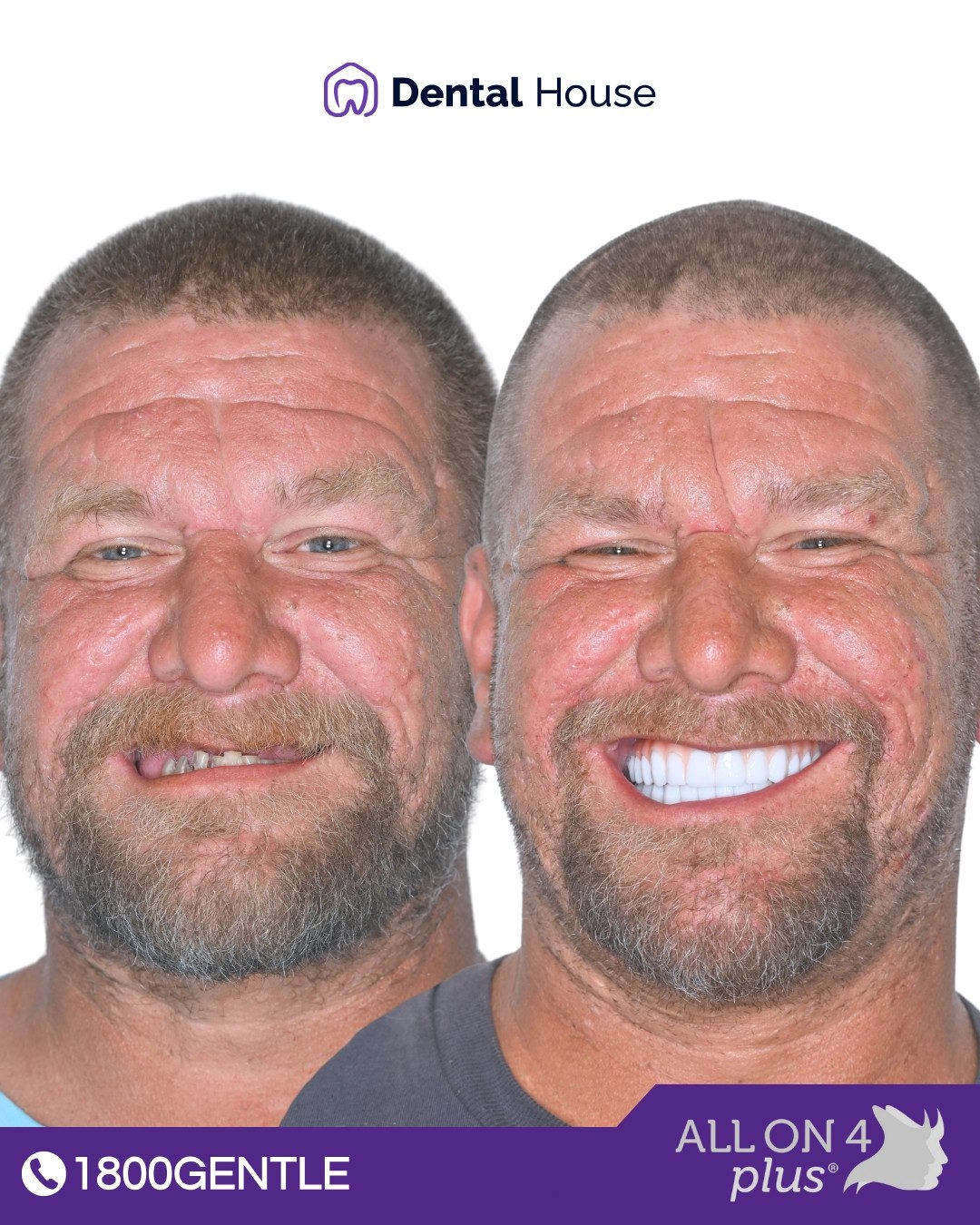
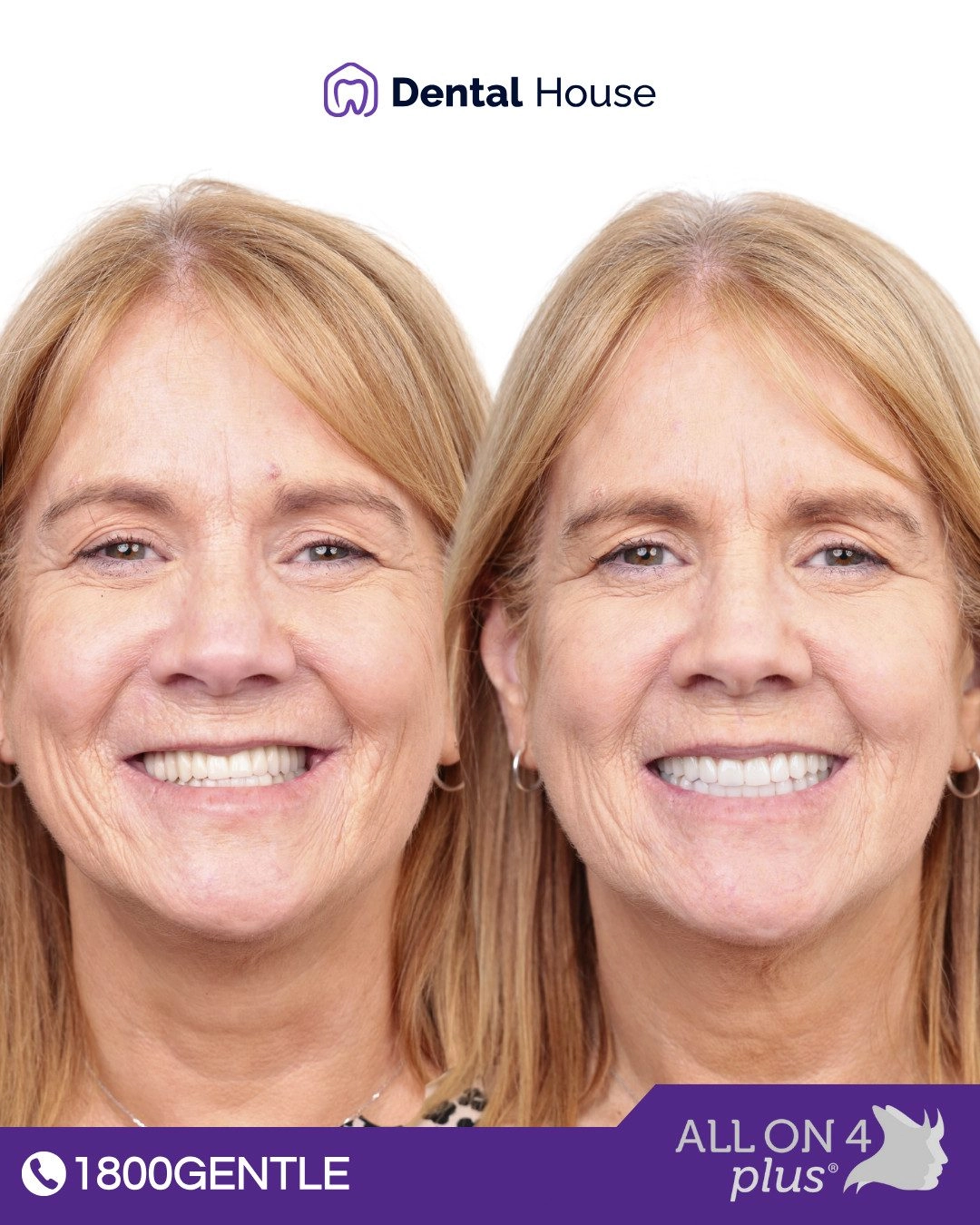

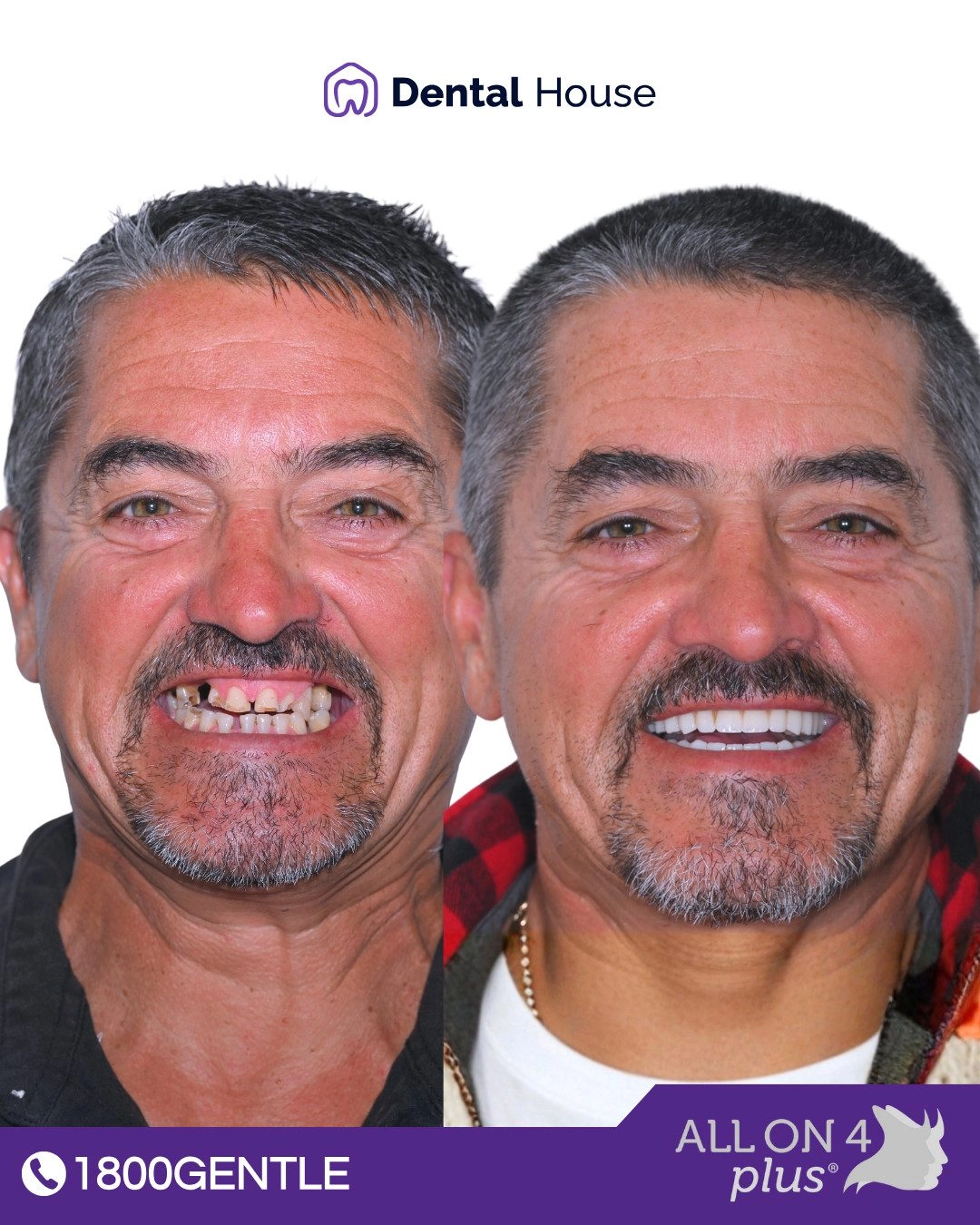
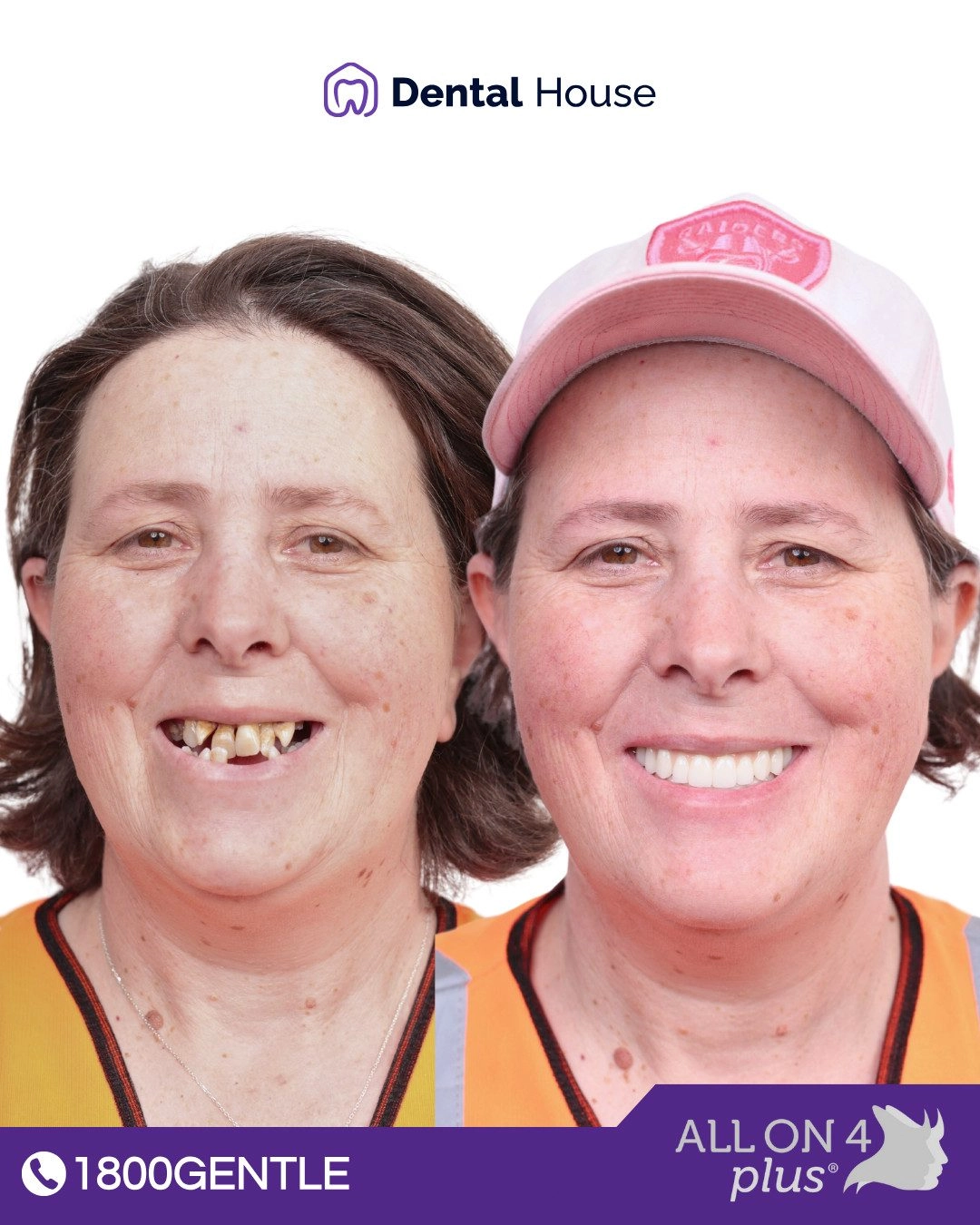
Considering dentures? At Diggers Rest Dental House, we take a personalised approach to help you find the right tooth replacement option for your circumstances and lifestyle.
Losing multiple teeth affects more than just your smile. Eating, speaking, and everyday comfort can all be impacted, and the jawbone beneath begins to change shape over time without tooth roots to support it.
Dentures are custom-made removable prosthetics designed to replace multiple missing teeth. Complete dentures replace all teeth in an arch, while partial dentures replace several missing teeth and attach to remaining natural teeth using clasps or precision attachments.
They’re fabricated from detailed impressions of your mouth and gums, designed to restore chewing function and facial support. Success depends on individual mouth shape, bone levels, and how well you adapt to the appliance over time. Outcomes vary between individuals.
Dentures may be worth exploring if the following apply to your situation, though suitability always requires individual assessment.
Treatment timelines vary depending on healing requirements and denture complexity, but most patients can expect the following stages:

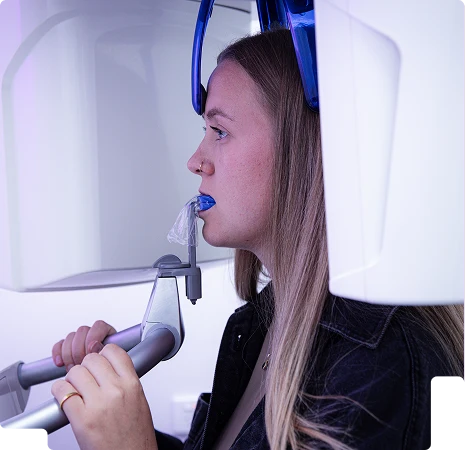
Examination with X-rays to evaluate oral health, bone levels, and determine the most appropriate denture approach for your situation. (1-2 appointments, typically 60-90 minutes each)

A personalised plan is developed, which may include extractions, healing time, or adjustments to existing oral structures. (Timeline varies based on individual needs and healing)

Precise impressions of your gums and remaining teeth are taken, along with bite measurements and aesthetic preferences for your custom dentures. (1-2 appointments, typically 45-75 minutes each)

Your denture base and tooth arrangement are trialled for fit, comfort, appearance, and function, with adjustments made as needed. (1-2 appointments, typically 60-90 minutes each)

Your completed dentures are fitted and adjusted for comfort and function, with comprehensive care instructions provided. (1 appointment, typically 75-90 minutes)

Adjustment appointments in the weeks and months following delivery ensure proper fit as you adapt and tissues settle. (Several visits over the first few months as needed)

Dentures are a well-established tooth replacement option, though there are risks and adjustment considerations to be aware of.
Possible risks include:
Recovery considerations:
Adaptation varies significantly between individuals and typically takes several weeks to months for comfortable function. Initial difficulties with eating and speaking are normal and improve with practice. We provide ongoing support throughout your adjustment period.
Dentures require daily cleaning with denture cleanser rather than regular toothpaste, which can be too abrasive. They should be removed overnight and stored in water or denture solution. We’ll provide detailed care instructions suited to your specific denture type.
Over time, normal wear and changes in mouth shape or bone structure may mean your dentures need relining, adjustment, or replacement. Regular check-ups allow us to monitor their condition and recommend the appropriate next step when needed.
We offer flexible payment plans to suit your budget. Get the dental care you need, when you need it.



If you'd like to explore whether dentures are the right option for your situation, get in touch with our Diggers Rest team today to arrange a consultation.
Disclaimer: The material posted is for informational purposes only and is not intended to substitute for professional medical advice, diagnosis or treatment. Results vary with each patient. Any dental procedure carries risks and benefits. If you have any specific questions about any dental and/or medical matter, you should consult your dentist, physician or other professional healthcare providers.