

Oral Health During Winter: Problems & Care Tips

You probably know that dropping temperatures, biting wind and a drier climate can wreak havoc on your skin. But did you know that exposure to colder weather can put you at increased risk for developing common dental problems, too? Being aware of the winter dental woes below — along with practising good oral hygiene — can help keep your mouth clean and healthy throughout the season.
Cold Sores
These small blisters around your lips can be triggered by stress, fatigue — and cold weather. Keep your lips moisturised to help minimise cold sore breakouts, wash your hands often and try to avoid touching your mouth.
Canker Sores
Canker sores tend to peak during dry winter months and can be aggravated by exposure to spicy and acidic foods. Rinsing your mouth with a mixture of warm water and salt may help ease symptoms.
Chapped Lips
It’s hard to avoid exposing your mouth to wind, cold and sun while enjoying your favourite outdoor activities, but cooler weather can quickly dry the thin skin on your lips. Soothe dry, cracked lips by applying a bit of petroleum jelly, and protect lips from damaging UV rays by applying a lip balm containing SPF several times a day.
Dry Mouth
Less moisture in the air can lead to less saliva production and a feeling of dry mouth. Drink plenty of water to keep your mouth hydrated, and consider placing a humidifier in your home to increase moisture in the air.
Tooth Sensitivity
Breathing in the cold winter air and consuming hot or cold drinks can lead to tooth pain. To help relieve discomfort, try brushing your teeth with toothpaste, especially for sensitive teeth.
Gum Infection
Winter colds and weaker immune systems can leave your gums more vulnerable to inflammation and infection. To help keep germs away, try to avoid touching your mouth and keep up good oral hygiene habits.
More Tips for a Healthy Mouth
- Brush your teeth at least twice a day
- Floss your teeth daily
- Replace your toothbrush every three to four months
- Visit your dentist twice a year for a checkup and cleaning
- Drink plenty of water and eat a healthy diet
- Contact your dentist with any symptoms or concerns
Good oral hygiene is an important step to keeping your teeth and gums healthy — and preventing other health issues. Contact your dentist if you experience any dental problems.
To read the original article, click here.
Note: All content and media on the Sunbury Dental House website and social media channels are created and published online for informational purposes only. It is not intended to be a substitute for professional medical advice and should not be relied on as health or personal advice.
More Dental Articles

5 Steps For Healthier Gums
When maintaining good oral hygiene, taking care of your gums is essential. Gum health can have a major impact on oral hygiene as it not only increases…

How to Stop Clenching Teeth to Protect Your Smile
Do you wake up with headaches, neck pain or sore teeth? You could have bruxism and be unconsciously clenching teeth while you sleep.
Home Remedies For Cleaning False Teeth
Are you looking for home remedies for cleaning false teeth? Are you looking for advice about the best way to maintain your false teeth?
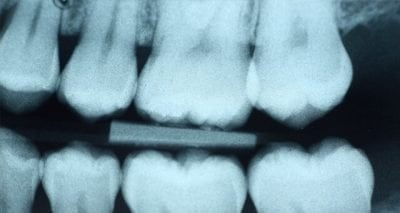
Why Dental X-rays Are Needed?
There’s a lot going on in your mouth that is not visible to the naked eye, and dental X-rays allow your dentist to see what’s happening below the surface.