
Mouthguards
Many sports have risk of contact and therefore serious dental injury. These sorts of injuries are often difficult to treat, and often involve a lifetime of expense.
The damage done
Mouthguards can protect you from some serious sporting injuries, such as broken jaws, fractured, cracked or knocked-out teeth, cut lips and tongues.
And you don’t just have to be playing obvious contact sports like rugby union, rugby league, AFL, hockey and boxing to sustain those kinds of injuries. Even non-contact sports like cricket, basketball, netball, touch football, skateboarding and soccer, carry a real risk of accidental collision, and resulting dental trauma.
How a mouthguard works
A custom-fitted mouthguard works by absorbing and spreading the impact of the damaging blow, and is fabricated based on an impression of your teeth and jaw taken by your dentist.
A mouthguard that is custom-fitted by your dentist is far superior to an over-the-counter mouthguard because it’s specially designed to fit the exact contours of your mouth, is resilient, balances your bite and allows speech and normal breathing. If properly used, stored, and checked by your dentist every year, a custom-fitted mouthguard should last several seasons.
In contrast, self-fitted, over-the-counter mouthguards, which include what are commonly known as boil-and-bite mouthguards, should not be used. They do not protect the teeth, are loosely fitted, impede breathing and speaking, and can even wedge in the back of the throat at impact which could be life threatening.
Wearing a custom-fitted mouthguard
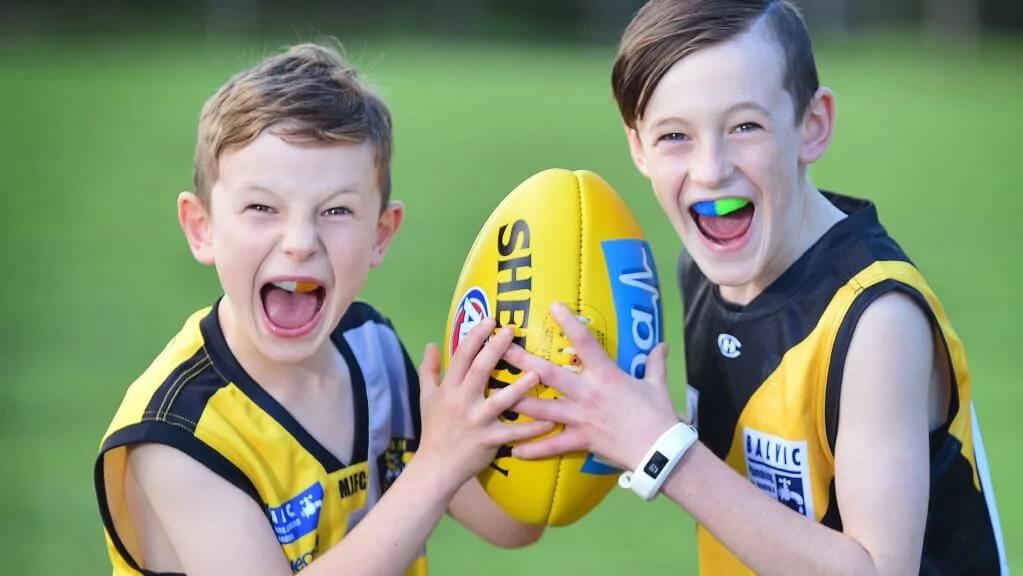
Custom-fitted mouthguards, by virtue of their exact fit, let you talk normally, don’t restrict your breathing and stay firmly in place, allowing you to concentrate on playing the sport you love. You should consider it a mandatory part of your sporting equipment, no matter your age or experience.
To keep your mouthguard in tip-top working order, you’ll need to keep it out of the sun, wash it in cold water after use, keep on the supplied plastic model cast and get your dentist to make sure it’s still OK when you go in for your regular check-ups.
Only dental professionals can design and manufacture a custom-fitted mouthguard that provides adequate protection.
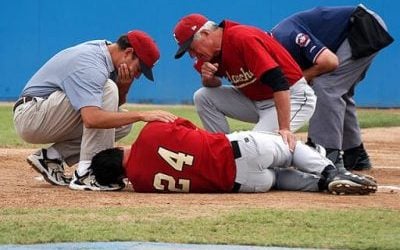
For tips on dealing with dental trauma, visit Dental Trauma and First Aid.
Mandatory mouthguard policy for clubs
If you are a club looking to put in place a mandatory mouthguard policy, you are welcome to download this form endorsed by both the ADA and Sports Medicine Australia (SMA).
To read the original article, click here.
More Dental Articles

What You Need to Know About CEREC Dental Crowns
If one of your teeth is damaged, your dentist may recommend a dental crown to address the situation. A crown is a small, tooth-shaped cap…

Fillings
Fillings may be required if tooth structure has been lost due to decay or trauma. During a regular check-up, your dentist will examine…

Dementia
And as Australia ages over the next 30 years or so, it will be an increasingly common one for many people with an estimated 900,000…
Dental Trauma and First Aid
“Accidents happen” is one of those phrases we casually throw around without thinking. But the reality is that accidents can have…