

Cancer Treatment & Oral Health

Being diagnosed with cancer is arguably one of life’s most traumatic events. You will be given a lot of information about your treatment options so it’s understandable that the first thing you think of will not be how your mouth and teeth will be affected.
But it’s important that you speak to your dentist about your diagnosis. Your dentist can assess the health of your teeth and mouth in the context of proposed cancer treatment(s) and determine if any dental work, by themselves or a specialist, is needed before you commence your treatment.
Chemotherapy and radiation treatment can have oral side effects, which may be temporary or long-term, such as soreness and ulcers in the mouth, gum infections, bleeding gums, dry mouth and altered taste and your dentist is best placed to advise on how to treat them. Patients at the highest risk of oral complications include those receiving radiation to the head and neck region, those who require bone marrow transplants, or patients receiving specific chemotherapy agents.
Oral health side effects
One main oral side effect you may notice is xerostomia, more commonly known as dry mouth. This condition is the result of damage to your salivary glands caused by chemotherapy or radiation therapy treatments, and adverse effects from medicines.
You’ll find that your saliva is less abundant and thicker, and less able to neutralise the acids produced by dental plaque, which puts you at increased risk of tooth decay. You may also find you suffer from more sores and mouth infections, such as oral thrush.
A dry mouth may also make it difficult to wear dentures. Your dentist will be able to suggest a moisturiser or adhesive help your denture stay in place.
Managing dry mouth
The good news is that you may be able to relieve the symptoms of dry mouth. You should consult your dentist prior to commencing treatment to determine which dental products, such as saliva substitutes, mouth-rinses to fight infection and products that stimulate the salivary glands, will work best for you.
Once your treatment is completed your dentist may recommend that you use specific fluoride rinses and gels, high concentrated fluoride kinds of toothpaste, and other products designed to help you lower the risk of tooth decay.
After treatment
Oral side effects such as dry mouth usually clear up after treatment although this may not be the case if you’ve had radiation treatment for head and neck cancers. Symptoms may persist into the long-term, however, especially if your treatment was directed at the salivary glands, in which case you should see your dentist more regularly than usual, possibly as frequently as every 3 months.
To read the original article, click here.
More Dental Articles

Pregnancy & Oral Care: 20 Myths, Facts & Stats
It’s no secret that pregnancy changes women’s bodies. But does it affect teeth? Are there any important oral hygiene habits to practice…
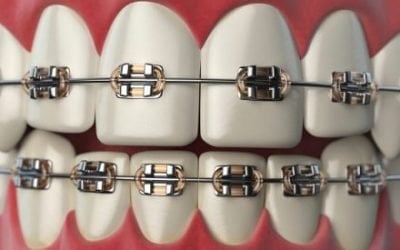
Straight Talk About Braces for Adults
Does the word braces call to mind a teenager with a mouth full of metal? If so, it’s time to rethink that picture. These days, people of…

Why Your Breath Might Start to Smell Worse as You Get Older
Noticed your breath is starting to smell a little… funky after your last birthday? Everyone gets bad breath from time to time, but…
5 Ways to Tell If Your Child May Need Orthodontic Treatment
You can get orthodontic treatment as an adult, but in many cases, it is easier to undergo treatment at a younger age when your child is…