

Brushing

You’ll no doubt be aware that brushing your teeth, which removes the plaque that causes tooth decay and gum disease, is important. What you may not know is that how often you brush, how long you brush for, the kind of technique and toothbrush you use all matter too. To gain the maximum benefit from brushing your teeth, you should be brushing for at least two minutes morning and night, spending roughly 30 seconds on each quarter of your mouth.Think that sounds like too much hard work? Firing up your streaming service, playing your favourite two-minute pop song – think the likes of Blur’s “Song No.2” or “Mr Zebra” by Tori Amos – and brushing until the end is one fun way to make sure your teeth get all the cleaning they need.
It’s all in the technique
If you’re like most people, you probably don’t give too much thought to how you brush your teeth, beyond squirting on some toothpaste, and brushing back and forth.
But as your dentist will tell you, how you brush your teeth matters a great deal. You should be cleaning your teeth systematically, starting at the back with the toothbrush bristle at the gum line or at a 45° angle, brushing gently in a circular motion, and finishing with a spit, not a rinse. If you have an electric toothbrush, you should be guiding the moving brush head slowly from tooth to tooth following the contours of the tooth and the curve of the gums.
Regardless of the brush you use, try to avoid brushing with too much force as this can damage the surface of your teeth. And as for the toothpaste? You only need a pea-sized amount to get the job done.
Tools of the trade
You are always best using a soft-bristled toothbrush with a small head and a flexible neck because this will most effectively remove plaque and debris from your teeth, without damaging your teeth and gums and drawing blood. Try to replace your brush at the first sign of wear-and-tear or every three months, whichever comes first, and if you’ve just had a cold, replace your toothbrush so you don’t get reinfected by the germs in the bristles.
If you have braces
It’s recommended that you brush after every meal, preferably using a toothbrush with a soft head to regularly clean away the food debris and plaque that can accumulate in the brackets. The best technique is to hold your brush at a 45-degree angle to the gums, much like a standard brushing technique, before moving on to brushing downwards to clean the top of the brackets and brushing upwards to clean the bottom section.
To visit a dentist and get your teeth checked, click here.
To read the original article, click here.
Source: Australian Dental Association
Services we mentioned:


More Dental Articles
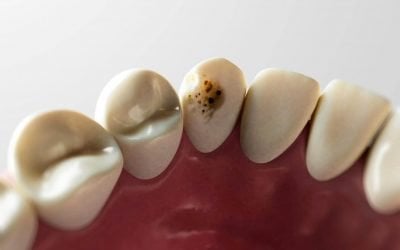
Can You Stop a Cavity Getting Worse?
You may not know what the bacterium Streptococcus mutans is, but you know what a cavity is. Also known as caries in both the singular and plural, they’re tiny holes in the teeth caused by surface bacteria creating acid from sugars. Somehow my brain interposes...
Caring For Older People And Their Oral Health
Since the 1970s, significant research has gone into quantifying the relationship between oral health and general wellbeing. Fifty years has extended this into biomedical and clinical perspectives that build broader understandings. The world population of people aged...
The Tooth Regeneration of Mice … And Men?
How is it that different tooth replacement strategies evolved? Which mechanisms prevent the replacement of human teeth? Homo sapiens, as we know, are limited to two sets of teeth; the second replaces our deciduous, or “baby teeth”. There are of course reptiles, fish,...

Can Toothache cause Migraine and Why?
Question: Can Toothache cause Migraine? Indeed it can. Almost all headaches and toothaches are detected by the trigeminal nerve, one of the largest nerves in the head. It’s this connection that causes the direct relationship between toothache and migraine,...