
Body Image – Men
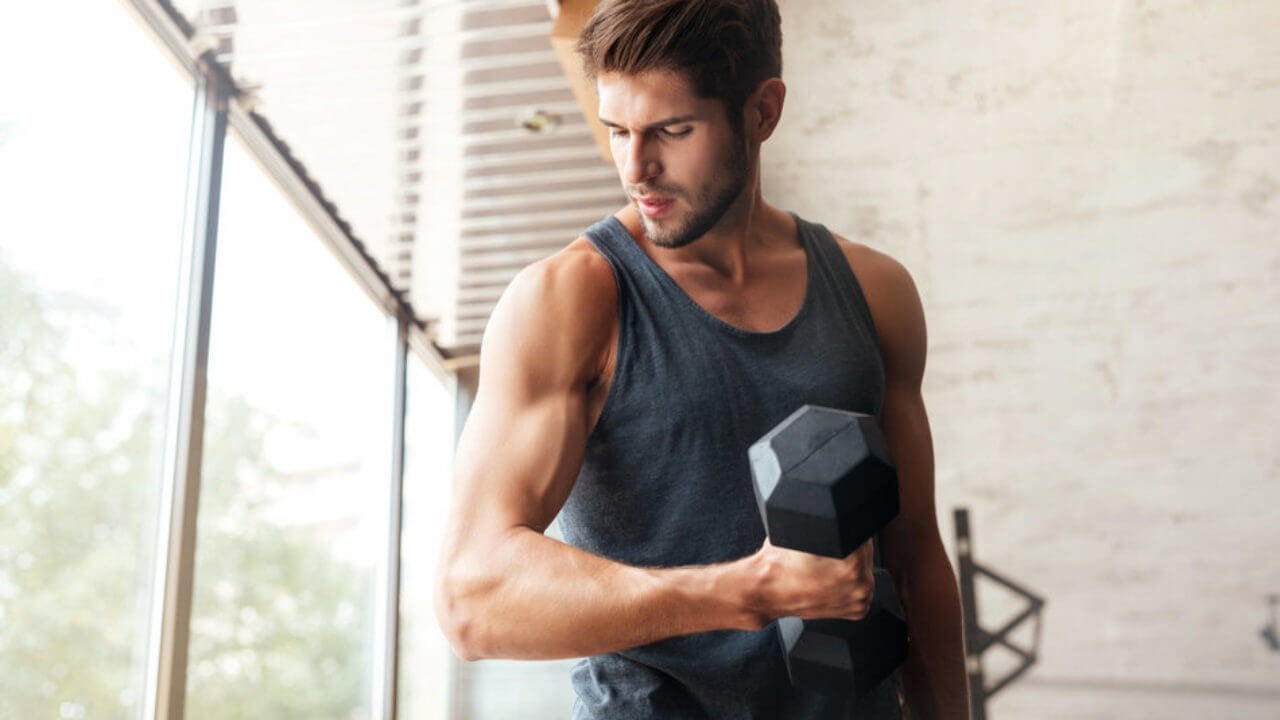
Poor body image is often linked to dieting, over-exercising, or eating disorders such as anorexia nervosa, bulimia nervosa and binge eating disorder, and to other mental health issues such as low self-esteem, depression or anxiety.
Studies suggest that around 11 per cent of Australian men are on a weight loss diet at any given time, and it is thought that around one-third of people with an eating disorder are male (although it is likely that this is under-reported).
Body image and self-destructive behaviours in men
A negative body image is a risk factor for a range of self-destructive behaviours, such as:
- fad dieting – around 11 per cent of Australian men are dieting at any given time. Those diets are not always nutritionally sound
- disordered eating – around one-third of people with an eating disorder is male
- exercise dependence or ‘exercise addiction’
- steroid abuse – young men, gay men, elite athletes, competitive bodybuilders, men who train with weights, and security guards are some of the male groups most at risk of using performance and image enhancing drugs to promote muscle growth or reduce body fat.
Causes of negative body image in men
- teasing in childhood and adolescence (being called too thin, too weak or too fat)
- peer pressure among teenage boys to be physically ‘tough’ and ‘strong’
- a cultural tendency to judge people on their appearance
- the emphasis on male sports players as role models for boys
- advertising campaigns and media coverage featuring idealised male images
- promotion by the society of the ‘ideal’ man as always being strong, lean and muscular
- well-meaning public health campaigns that urge people to lose weight.
Improving your body image
- Reflect on your experiences and try to identify the influences on your body image from childhood.
- Try weighing or ‘body-checking’ (pinching, measuring, mirror-checking) yourself less often. Focus on health and vitality, not weight, size and shape.
- Make a pact with yourself to treat your body with respect, which includes eating well and not embarking on punishing exercise routines, fad diets or taking drugs.
- Try to shift to a healthier focus of how your body functions and consider all your body helps you do in life, rather than just focusing on how your body looks.
- Get informed by reading up on body image issues.
- Develop reasons for exercising that are not focused on your body’s appearance (such as stress release, vitality or improved concentration), rather than concentrating only on changing your body shape.
Help for body image issues
There are counsellors and psychologists, trained in the areas of body image, who can help you to change negative beliefs and behaviours.
To read the original article, click here.
More Wellness Articles

What to Look for When Purchasing Essential Oils
For the next time you’re out shopping. Good quality essential oils should have the following information on their labels.

Mushroom Poisoning in Melbourne
Mushrooms are a type of fungus. Australia has many varieties of wild-growing fungi, many of which are edible. However, a few types are poisonous.

Staying Healthy in Winter
Several health conditions are associated with climatic conditions during our coldest season. We’ve prepared some tips to help protect you and your family…

12 Foods With More Vitamin C Than Oranges
To pack the ultimate vitamin C punch and give your diet more variety, fill up on these 12 superfoods such as Chili, Broccoli, Bell Pepper, Kale and Mango.