

Beyond Basic Check-ups: Understanding Comprehensive Dental Examinations
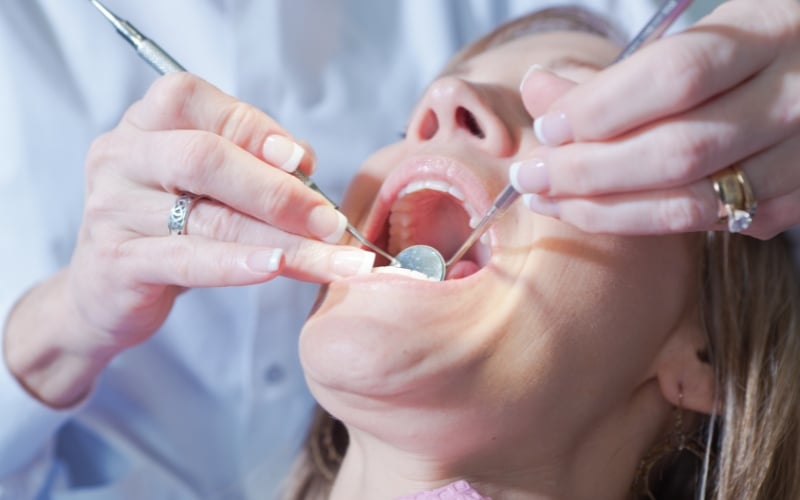
Understanding what occurs during a comprehensive examination can help patients prepare for their appointments and appreciate the scope of oral health evaluation. This article outlines the components typically included in a thorough dental assessment and explains why each element contributes to overall oral health monitoring.
Components of a Full Oral Assessment
Medical History Review
A comprehensive dental examination begins with reviewing the patient’s medical history, current medications, and any changes since the previous visit. This information helps identify potential interactions between oral health and systemic health conditions.
The medical history review includes discussion of medications that may affect oral health, such as those causing dry mouth or gum changes. Certain medical conditions may also require modified treatment approaches or additional monitoring during dental procedures.
Visual Examination of Oral Structures
The visual examination includes systematic inspection of the lips, tongue, cheeks, palate, throat, and gums. This process involves looking for changes in colour, texture, size, or appearance that may indicate various conditions.
During this examination, dental professionals check for lesions, swelling, unusual growths, or other abnormalities. Any findings are documented and may require further evaluation or monitoring over time.
Periodontal Health Assessment
Gum Disease Screening
Gum disease evaluation involves measuring the depth of spaces between teeth and gums using a periodontal probe. These measurements, called pocket depths, help assess gum health and identify areas of concern.
The screening process also includes checking for bleeding, inflammation, and recession of gum tissue. According to the Australian Dental Association, periodontal disease affects a significant portion of Australian adults, making regular screening an important component of oral health maintenance.
Documentation of Findings
Periodontal measurements are recorded to track changes over time. This documentation helps identify progression of gum disease and evaluate the effectiveness of treatment or preventive measures.
The assessment may reveal early signs of gingivitis or more advanced periodontitis, which require different approaches to management and treatment.
Oral Cancer Screening Procedures
Systematic Tissue Examination
Oral cancer screening involves examination of all soft tissues in the mouth and throat area. This includes the tongue, floor of the mouth, cheeks, lips, palate, and throat regions.
The examination involves both visual inspection and palpation (feeling) of tissues to detect lumps, hard spots, or areas of unusual texture. Any suspicious areas are documented and may require further evaluation by specialists.
Risk Factor Assessment
The screening process includes discussion of risk factors such as tobacco use, alcohol consumption, sun exposure, and family history. Understanding these factors helps determine appropriate screening frequency and patient education needs.
Patients with higher risk factors may require more frequent screening or additional evaluation methods as determined by their dental professional.
Jaw Joint Evaluation
Temporomandibular Joint Assessment
The temporomandibular joints (TMJ) connect the jaw to the skull and are evaluated during comprehensive examinations. This assessment includes checking jaw movement range, listening for joint sounds, and identifying areas of tenderness or pain.
TMJ problems can cause symptoms including jaw pain, clicking or popping sounds, limited mouth opening, and headaches. Early identification of jaw joint issues can help prevent progression and guide appropriate treatment approaches.
Bite Relationship Analysis
The examination includes evaluation of how teeth come together when biting and chewing. Irregular bite patterns can contribute to tooth wear, jaw joint stress, and muscle tension.
This assessment may reveal the need for bite adjustment, orthodontic treatment, or other interventions to address functional problems.
Dental Structure Assessment
Tooth Examination
Individual teeth are examined for decay, cracks, wear patterns, and structural integrity. This involves visual inspection and may include tactile examination with dental instruments.
The assessment includes evaluation of existing dental work such as fillings, crowns, and bridges to check for wear, damage, or need for replacement.
Digital X-ray Analysis
Digital radiographs provide information about structures not visible during visual examination, including areas between teeth, tooth roots, and surrounding bone. X-rays help identify decay, infections, bone loss, and other conditions.
The frequency of radiographic examination depends on individual risk factors and dental history. Digital systems reduce radiation exposure compared to traditional film radiographs.
Additional Screening Components
Salivary Function Assessment
Saliva production and quality affect oral health by helping neutralise acids, wash away food debris, and provide antimicrobial protection. The assessment may include evaluation of salivary flow and consistency.
Dry mouth conditions can increase decay risk and affect comfort. Identifying salivary problems allows for appropriate management strategies.
Oral Hygiene Evaluation
The examination includes assessment of plaque accumulation, calculus deposits, and overall oral cleanliness. This evaluation helps identify areas requiring improved home care techniques.
Oral hygiene instruction may be provided based on individual needs and problem areas identified during the examination.
Documentation and Follow-up
Record Keeping
All findings from the comprehensive examination are documented in the patient’s dental record. This documentation serves as a baseline for future comparisons and helps track changes over time.
Detailed records also facilitate communication with other healthcare providers when coordination of care is necessary.
Treatment Planning
Based on examination findings, treatment recommendations may be developed to address identified problems. These recommendations are prioritised based on urgency and patient preferences.
Preventive measures and home care instructions are typically provided regardless of whether active treatment is needed.
Frequency of Comprehensive Examinations
Individual Scheduling Factors
The frequency of comprehensive dental examinations varies based on individual risk factors, oral health status, and medical history. Some patients may require examinations every six months, while others may be appropriate for longer intervals.
Factors influencing examination frequency include age, medical conditions, medications, oral hygiene status, and history of dental problems.
Professional Recommendations
Dental professionals consider multiple factors when recommending examination schedules. These recommendations may change over time based on changes in health status or risk factors.
Regular examinations allow for early identification of problems when treatment may be simpler and more successful.
Patient Preparation and Participation
Information Sharing
Patients contribute to effective examinations by providing accurate health history information and reporting any symptoms or concerns. Changes in medical status, medications, or oral symptoms should be communicated to dental staff.
Open communication helps ensure that all relevant factors are considered during the examination process.
Follow-through with Recommendations
The effectiveness of comprehensive examinations depends partly on patient follow-through with recommended treatments, preventive measures, and follow-up appointments.
Understanding the reasons behind recommendations can help patients make informed decisions about their oral health care.
Conclusion
A full oral assessment encompasses multiple screening procedures designed to evaluate overall oral health comprehensively. These examinations serve to identify problems early, monitor changes over time, and guide appropriate treatment or preventive measures.
The comprehensive nature of these examinations reflects the connection between oral health and overall health, as well as the variety of conditions that can affect the mouth and surrounding structures.
At Diggers Rest Dental House, we conduct thorough examinations to provide complete evaluation of your oral health status. Understanding what to expect during these appointments can help you participate effectively in your oral health care.
If you would like to schedule a comprehensive dental examination, contact Diggers Rest Dental House at 03 8798 9782 or complete our enquiry form. Our dental team can discuss your individual examination needs and schedule appropriate appointments for your oral health assessment.
Frequently Asked Questions
How long does a comprehensive dental examination take?
A full oral assessment typically takes 45-60 minutes, depending on individual factors such as the complexity of your oral health status, number of teeth present, and whether additional procedures like radiographs are needed. The examination time may vary based on findings that require more detailed evaluation or discussion.
How often should I have a comprehensive dental examination?
The frequency of comprehensive dental examinations varies based on individual risk factors including age, medical history, medications, oral hygiene status, and previous dental problems. Many patients benefit from examinations every six months, while others may require different intervals. Your dental professional will recommend an appropriate schedule based on your specific circumstances.
What should I do to prepare for a comprehensive dental examination?
Bring a current list of medications, be prepared to discuss any changes in your medical history, and inform staff of any oral symptoms or concerns you’ve noticed. Maintain your regular oral hygiene routine before the appointment. If you have dental anxiety, discuss this with staff when scheduling so appropriate accommodations can be made.
Note: All content and media on the Diggers Rest Dental House website and social media channels are created and published online for informational purposes only. It is not intended to be a substitute for professional medical advice and should not be relied on as health or personal advice.
Services Mentioned



Related Articles

3 Drinks That Will Make Your Breath Reek
If you’re having a conversation with friends and find that they’re doing a hard lean away from you, it may signal something more than a little embarrassing.

Gum Health Basics: What to Look Out For and How to Prevent Trouble
Research suggests the health of our gums may be connected to our overall wellness. Here’s how to give them the best care possible.

14 Reasons Your Tooth Hurts
From a cavity to infected gums to a sinus infection, a toothache can have a lot of causes. Here are the possible reasons and how to treat it!

What You Should Know About the DIY Braces Trend
The internet is awash with tutorials on how to use so-called “gap bands” to straighten your teeth. Here’s what you need to know.