

Teeth Grinding
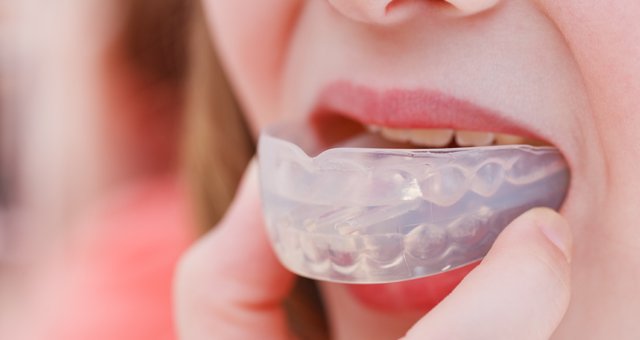
Teeth grinding, or Bruxism as it’s officially known, is one of those tricky conditions that you could be suffering from without even knowing it. An involuntary clenching, grinding and gnashing of the teeth, it doesn’t always display its symptoms in ways that are immediately noticeable.
Most people aren’t even aware they are grinding their teeth until their partners tell them or advanced symptoms such as jaw pain, headaches and worn down, sensitive teeth start to emerge.
Symptoms of tooth grinding
What makes working out if you grind your teeth so challenging is that while you may have some symptoms when you first wake up, they can quickly disappear; and if you grind teeth during waking hours, symptoms won’t be noticeable until later in the day.
So what should you be looking out for?
- Fractured, chipped or loose teeth
- A dull headache, sore jaws and/or ear pain
- Aching teeth, and stiffness in the face and temples, particularly after you’ve just woken up
- Sore jaws while you’re eating, especially at breakfast time
- Sensitivity to hot and cold food and drinks
- Intense jaw clenching
Even if you’re not sure that teeth grinding is responsible for the symptoms you’re experiencing, telling your dentist as soon as you suspect something’s wrong means they can perform a diagnosis and devise possible treatment options.
Problems caused by tooth grinding
All those niggling, sometime painful symptoms may be pointers to even worse damage being done. Teeth grinding places a lot of pressure on your teeth, cracking their protective enamel, fracturing them and breaking things like crowns and fillings, while placing great stress on your jaws joints and muscles.
You might also find your teeth are more sensitive to temperature fluctuations, and more painful to bite down on as the fibre that attaches them to the bone gets inflamed.
Causes and treatments
The range of likely causes of bruxism are physical and psychological meaning that any treatment will often need to address both these things. Your dentist, of course, will take care of the possible physical causes such as overly-high fillings, or missing or crooked teeth,and may fit with a mouthguard if you grind your teeth at night.
But if the source of your teeth grinding is emotional, or caused by illness, poor nutrition or long term pain, it’s important to deal with these issues ahead of seeing your dentist.
Click here to read the original article.
Services we mentioned:

More Wellness Infographics
Teenagers Taking Care of Their Teeth: Do They Or Don’t They?
It’s always been said that you don’t get a manual when you become a parent. It’s a work in progress, a lifetime journey that has you forever flying by the seat of your pants. Ironic really, that what starts with the pants continues; only off the ground, heading to the...
Dental Fitness: Links Between Oral Health & Obesity
Would it be so strange? There’s a link already established between gut health and overall wellbeing. What if there is a connection between oral health and obesity? Which came first, the obesity or poor oral health? How will the role, education and skill of dentists...
Tooth Decay, Cavities & Periodontal Disease: Do They Cause Heart Disease?
It has been accepted that periodontal disease increases the risk of heart attack and stroke two-to-three fold but many people with heart…

Digital Smile Design: On Social Media Looks Are Enamel-Deep
Are we there yet? Have we at last reached the terminus of fluorescently frosty-white fangdom? Can there be no more spray tan swatch caramel, ‘neath blonde, blonde locks and lips modelled on what’s left of a kayak hit from both ends? I hope we have. We’ve been past the...