
Sleep Dentistry
Sleep Dentistry at Diggers Rest, Caroline Springs, Hillside, Taylors Lake and Sydenham
Sleep Dentistry at Diggers Rest Dental House

Sleep Dentistry at Diggers Rest Dental House
Sedation or Sleep Dentistry?

Sedation dentistry
Sleep dentistry
Methods of Inducing Sleep Dentistry

Methods of Inducing Sleep Dentistry
Types of Sleep Dentistry
A muscle relaxant or anti-anxiety medication
Happy gas, or nitrous oxide
IV Sedation and General Anesthesia
Risks and Recovery
Sleep dentistry uses sedation to help patients feel relaxed during treatment, and like all medical procedures, it has risks and recovery considerations.
Possible risks include:
- Nausea, drowsiness or dizziness following sedation
- Dry mouth or headache after the procedure
- In rare cases, allergic reaction or breathing difficulties related to sedative medications
- Temporary changes in blood pressure or heart rate, which are monitored during treatment
Recovery considerations:
- Patients may feel drowsy for several hours after the procedure
- Driving or operating machinery is not permitted for 24 hours after sedation
- A responsible adult must accompany the patient home
- Normal activities can usually be resumed the following day, depending on the procedure performed

Download Price List To Help You Budget
While we agree that you can’t put a price on good health (especially when it comes to your teeth), we understand the reality of family budgets. That’s why we offer flexible treatment options and family-affordable pricing. You might say the only thing average about Dental House is our prices.
The Benefits of Sedation and Sleep Dentistry
If you have any of the above issues or something more unique that you believe requires sleep or sedation dentistry, talk to us today. Please note that while it can be very useful to help you learn to overcome the fear of the dentist, modern dental techniques often create little to no pain. Root canal therapy is the most common treatment associated with pain, but can be numbed with local anesthesia. Each situation is unique and your dentist will discuss the options available for your situation.
Children and Sleep Dentistry

Children and Sleep Dentistry
Happy gas
Mild to Moderate Sedation
FAQs About Sleep Dentistry
How long will it take to recover from sedation or general anaesthetic?
Most patients feel drowsy for several hours afterward. Full recovery usually occurs within 24 hours, although some people may take longer depending on the procedure.
Do You Need Sedation or Sleep Dentistry?
Disclaimer: The material posted is for informational purposes only and is not intended to substitute for professional medical advice, diagnosis or treatment. Results vary with each patient. Any dental procedure carries risks and benefits. If you have any specific questions about any dental and/or medical matter, you should consult your dentist, physician or other professional healthcare providers.
Your Dental House Journey
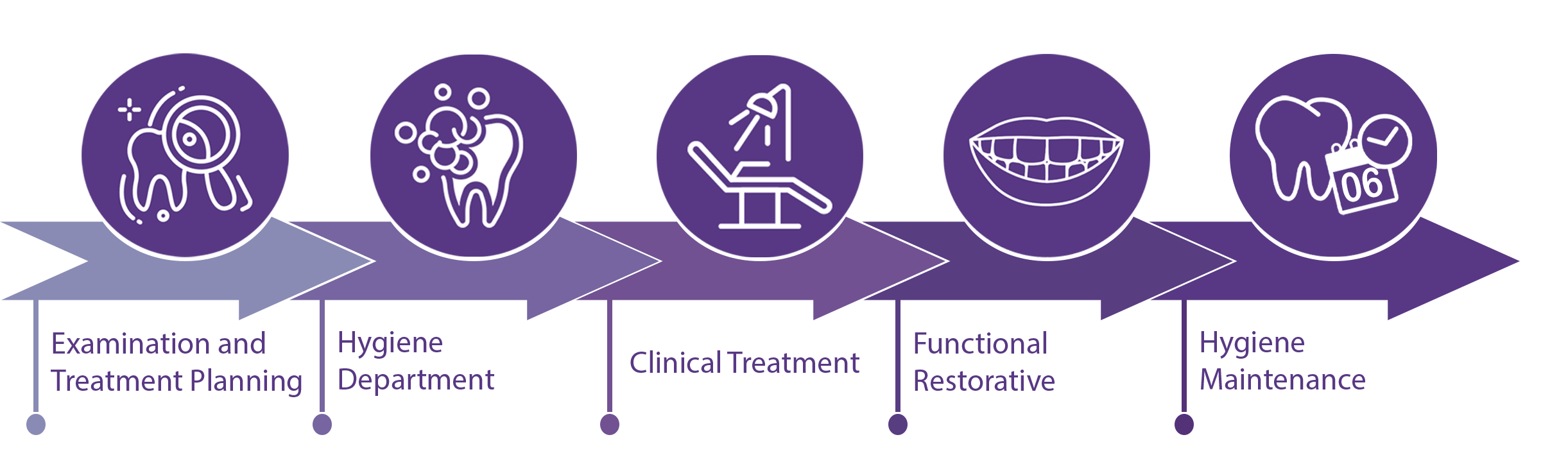
Your Dental House Journey

Examination and Treatment Planning

Hygiene Department

Clinical Treatment

Functional Restorative