

5 Steps For Healthier Gums

When maintaining good oral hygiene, taking care of your gums is essential. Gum health can have a major impact on oral hygiene as it not only increases bad breath, it can also cause tooth sensitivity, tender gums, or pain while chewing. Bad gum health can also lead to gum disease, gingivitis and unwanted cavities. We recommend following our below top 5 steps to ensure your gums are at their healthiest.
Step 1: Preventing gum infection by brushing teeth regularly
Preventing gum infections is the first step to maintaining good oral hygiene and healthy gums. To prevent any unwelcome gum infections, we advise brushing your teeth twice a day. This can be done once in the morning, and once before going to bed at night. Ensuring you brush your teeth twice a day is one of the most important steps to reduce the likelihood of gum disease and bad breath. When brushing your teeth, brush in a gentle circular movement over the front, back and top of your teeth. We recommend brushing with an electric toothbrush to remove twice as much plaque as regular manual toothbrush. For good oral hygiene, during your morning and night routine include brushing your tongue gently to reduce bacteria build up and bad breath.
Step 2: Floss correctly
Adding a simple flossing routine whilst brushing twice a day will increasingly help to remove any unwanted plaque and food particles stuck between your teeth. When flossing, make sure to move the floss in up and down motions below the gum line. Repeat this method on all of your teeth, including the back of the teeth. Our Oral-B Essential Dental Floss is the perfect addition to your dental hygiene routine, as its light wax coating and its shred-resistant texture, it slides easily between your teeth. Floss your teeth daily for healthier gums. Do not force into tight spaces and be gentle during usage.
Step 3: Rinse your mouth with fluoride mouthwash
To further protect your teeth from gum disease, rinsing your mouth with fluoride mouthwash as an addition to brushing and flossing can strengthen the enamel on your teeth. We recommend using the Oral-B Pro Health Clinical Rinse as an addition to brushing and flossing. Using mouthwash should be used after your brushing and flossing routine. Simply gargle 20ml of mouthwash or mouth rinse, and ensure to spit out after use. Please note that this is not recommended for children younger than 6 years old.
Step 4: Minimise sugary foods
Some sugary foods can contribute to your oral health and can cause gum disease and tooth decay. Harsh, sharp sugary foods such as lollies or toffy can get stuck in between teeth, which then are consumed by bacteria inside the mouth that release bacterial acids causing decay if not treated correctly. We advise reducing food intake with high amounts of sugar, and brushing or rinsing your mouth out with water after eating sugary foods when possible.
Step 5: Regular dental checkups
Regular dental checkups are a great way to keep on top of good oral hygiene. To help identify the early stages of gum disease and bad oral hygiene, regular visits to your dentist is highly recommended. Dentists professionally clean your teeth, removing any unwanted tartar that may have built up from plaque that has been missed during your daily brushing.
Looking after your dental hygiene is the best way to keep your teeth and gums fresh and clean. Following our recommended steps of brushing regularly, flossing correctly, using fluoride mouthwash, minimising sugary foods and having regular dental visits protects your mouth from gum disease and unwanted cavities.
Read original article here.
Services Mentioned


More Dental Articles

Effects of Chewing Gum on Your Teeth
Is chewing gum good for your teeth? The answer is yes if it is the right kind. Chewing gum can help prevent tooth decay…

Cancer Treatment & Oral Health
Being diagnosed with cancer is arguably one of life’s most traumatic events. You will be given a lot of information about your…

COVID-19 Level 2 Restrictions in Melbourne Update
Few days ago, the government announced that dentists in metropolitan Melbourne would move to ADA Level 2 dental restrictions from Sept…
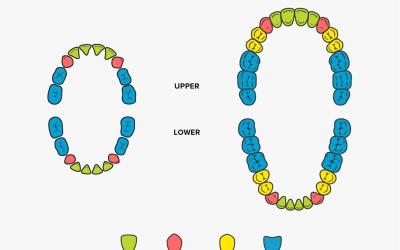
What Are the Different Types of Teeth Called?
Your teeth are one of the strongest parts of your body. They’re made from proteins such as collagen, and minerals such as calcium…