

4 Things Your Mouth Can Tell You about Your Health

These oral symptoms—from cavities to bleeding gums—sometimes signal an underlying problem.
Sure, your breath may remind you about the garlic you ate at lunch. But that’s not all your mouth can tell you: Problems with your gums, teeth, and tongue can hint at health concerns deeper in the body, says Betty Haberkamp, DDS, a dentist at the Cleveland Clinic. Here are four oral signs you should see your doctor or your dentist.
If you suddenly have a bunch of cavities
It might mean: Diabetes
Say you’ve gone most of your life without many cavities; then at your biannual check-up, your dentist announces you’ve got five. Assuming you’re not hooked on soda or taking any new medications, the tooth decay could be a sign that you’re body is having trouble processing glucose. When that happens, the sugar can build up in saliva and spur the growth of cavity-causing bacteria in the mouth, says Haberkamp. You might also feel some tooth pain, especially after eating something sweet, hot, or cold. “For the record, cavities aren’t the only oral side effect of diabetes,” she adds. “Gum disease, oral thrush, and dry mouth are others, too.”
If your teeth are “wearing away”
It might mean: Gastroesophageal reflux disease (GERD)
Heartburn can happen to anyone. But if you’re experiencing it more than twice a week for a few weeks in a row, you may have GERD, a condition in which stomach acids leaks into the esophagus. While some people experience a “burning” sensation in their chest or throat, others don’t experience any symptoms at all.
When stomach acid reaches the mouth, it can wear away the enamel on your teeth. “Erosion from GERD is typically on the tongue side of the teeth,” says Haberkamp. “A person may not notice this, since it may occur slowly, but a dentist would notice on a periodic exam.” If you are diagnosed with GERD, it may be treated with antacids, prescription meds, and lifestyle changes like avoiding certain foods and eating smaller, more frequent meals.
If your gums bleed when you brush
It might mean: Gingivitis
Unless you just started flossing your teeth or you’re brushing too hard (in which case, ease up!), blood in the sink may indicate inflammation of your gum tissue caused by plaque buildup along the gum line. Left untreated, gingivitis can lead to more serious periodontitis, in which the gums recede from the teeth and form pockets that get infected. And that may signal trouble beyond your mouth: A study published in the American Heart Journal found that people with periodontitis are also more likely to have heart disease, though it’s unclear whether caring for your teeth can also protect your ticker.
Make an appointment with your dentist if you think you might have gingivitis. Also make sure you’re using the right toothbrush (one that’s not too stiff), and remember to floss gently: The American Dental Association recommends that people lightly “guide” the floss between your teeth—not saw it back and forth until it scrapes your gums.
If you have white spots on your tongue
It might mean: Oral thrush
White patches or plaques can be a symptom of oral thrush, an infection caused by an overgrowth of the Candida yeast. It’s not super common, but people who have diabetes, dry mouth, or a depressed immune system are more at risk. Additional signs of the infection include redness, difficulty swallowing, or cracking at the corners of your mouth. If you develop thrush, your MD may prescribe an antifungal medication.
Click here to read the original article.
Services we mentioned:


More Wellness Infographics

Digital Smile Design: On Social Media Looks Are Enamel-Deep
Are we there yet? Have we at last reached the terminus of fluorescently frosty-white fangdom? Can there be no more spray tan swatch caramel, ‘neath blonde, blonde locks and lips modelled on what’s left of a kayak hit from both ends? I hope we have. We’ve been past the...
Endodontics: Can Tooth Pulp Be Made Healthier?
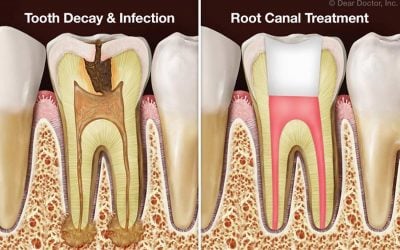
We live at a time when we are discovering new vistas of knowledge and understanding, especially on the biological front. Endodontics: the branch of dentistry concerned with diseases and injuries of the soft tissues inside a tooth (the dental pulp) is a perfect example...

Special Needs Dentists: Dr Trudy Lin: Young Australian of the Year 2022 SA Candidate
In a country of more than 18,000 dentists, only fifteen are registered professionals in the area of Special Needs. Dr Trudy Lin is the…
Chalky Teeth: Is the Writing on the Wall?
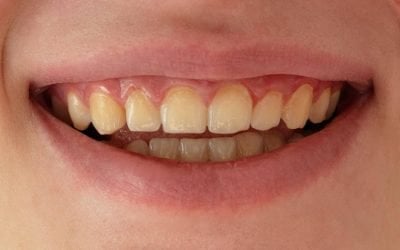
Chalky teeth. A term coined in 1920 by eminent 19th century physician and dentist Bernhard Gottlieb. He belonged to a group of Viennese scientists who originated orthodontics, periodontics, pedodontics, oral surgery and endodontics. Gottlieb described ‘chalky enamel’...