

Having a slight chip, an irregular tooth edge, or a gap in your smile may cause you to wonder if it is time for you to seek cosmetic dental procedures. One of the procedures available is composite bonding, which involves the process of applying composite resin to the teeth.
Although composite bonding holds potential for some dental conditions, it is not suitable for every situation. Each person’s tooth structure, gum health, bite, existing dental conditions, and treatment goals may affect whether composite bonding is suitable and how it is planned.
Also, a lot of people want to know specific information about the cost of the technique, its lifespan, and whether it could be an alternative to porcelain veneers. These are the important points to clarify since the decision about treatment is not based solely on the appearance of one’s teeth.
This article explains the basics of tooth bonding while covering the main factors that can determine its cost, duration, and limitations of this procedure.
What Is Composite Tooth Bonding and What Can It Change?
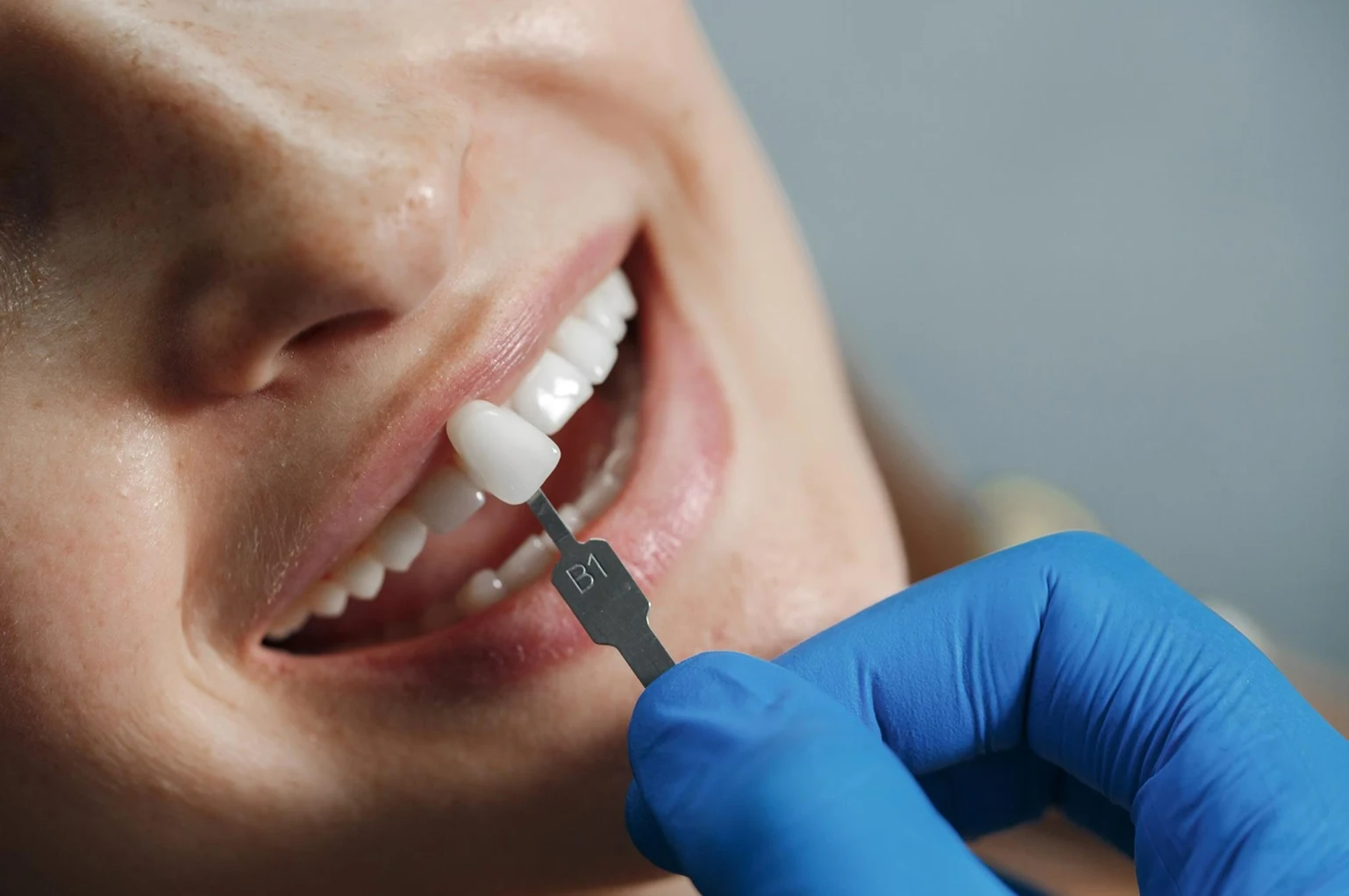
Composite bonding is a term used to describe an approach to dentistry that incorporates the use of composite resins that are the same colour as the natural teeth. This procedure is able to address any tiny defects that result from chipped teeth, close the small spaces between teeth, and make slight corrections to the tooth. It is important to note here that the amount of work required will depend on the individual case.
Dentists often employ the use of composite resin. The dentist then places and shapes resin on the tooth during the bonding procedure. The resin is then hardened and polished, with the aim of achieving an appearance that blends with the surrounding teeth.
This bonding technique will address:
- Small chipping or wear at edges
- Minor gaps
- Pointed or uneven tooth shapes
- Some minor length changes in teeth
- Unequal edges of teeth
- Cases of tooth discolouration that are not responding to whitening
The treatment depends on the condition of the tooth. Composite bonding is not just some cosmetic application. The quantity and type/technique of application may differ based on the clinical condition.
If you are considering treatment, you can learn more about the clinic’s composite bonding treatment and discuss whether it may be appropriate during a consultation.
Composite bonding may be a conservative treatment option in selected cases. However, conservative does not mean that it is suitable for every concern. Large changes to tooth position, major bite problems, extensive tooth damage, or active dental disease may require a different approach.
How Much Does Bonding Teeth Cost in Melbourne?
Bonding teeth cost in Melbourne varies because every treatment plan is different. The final cost may depend on the number of teeth, the size and location of the bonding, the amount of composite required, the complexity of the work, and whether other dental treatment is needed first. A personalised examination is a reliable way to receive an accurate estimate.
There is no single price that applies to every composite bonding treatment. A small repair on one tooth is different from reshaping several front teeth.
The total cost may be affected by:
- The number of teeth being treated
- The amount of composite required
- The size of the chip, gap, or shape change
- The position of the teeth
- The complexity of matching the colour and shape
- Existing fillings, crowns, or other dental work
- Whether diagnostic records or additional treatment are required
Some Australian clinics publish per-tooth prices, while others provide a treatment quote after an assessment. Published prices can be useful as general information, but they may not include every part of an individual treatment plan.
It is also crucial to note the contents of the quoted price. It is recommended to inquire whether consultation, diagnostic records, treatment, review appointments, and future maintenance are included in the quote.
Scheduling a dental assessment is a good way to get an accurate picture of your likely costs. The dentist can inspect your teeth and gums, analyse your bite, find out what you want to achieve, and inform you about the available treatment options.
You can also look at the dental treatment pricing at the clinic where you are being treated and gather information about the costs related to your specific treatment plan.
Cost is not the only factor that should be taken into account while comparing options.
What Affects the Longevity of Composite Bonding?
The lifespan of composite bonding is not as long-lasting. Various factors can influence how long the bonding lasts, including how big the restoration is and where it is located on the tooth, the amount of force applied to the tooth, dental hygiene, whether the patient grinds their teeth, their diet, and their ability to maintain the treatment. Over time, the composite may wear away, lack its shine, suffer from staining, and may chip or need repair.
A study on composite resin restorations showed that good results can be achieved, but outcomes differ from one study to another. Review and analysis give results that were well used in anterior resin restoration of teeth with tooth wear; however, some differences between studies were noted.
The difference in results shows that time may lead to failures, changes in appearance, or the need for replacement of material.
These findings are useful, but they do not mean that every composite bonding treatment will last for the same period. Research on tooth-wear restorations may not directly represent every type of cosmetic bonding.
Several factors may influence how long bonding remains functional and visually acceptable.
Bite forces
Your teeth experience pressure when you bite and chew. Composite placed on a heavily loaded edge may experience more stress than a small area placed away from the main biting contact.
If you grind or clench your teeth, the composite may be exposed to repeated force. Your dentist may assess your bite and discuss whether protective treatment is appropriate.
Size of the bonding
A small repair on a chipped edge may have different maintenance needs from a larger change involving several tooth surfaces.
More extensive bonding may require more detailed planning. It may also be more exposed to wear or damage, depending on the bite.
Staining and surface changes
Composite can change in appearance over time. Tea, coffee, red wine, tobacco, and strongly coloured foods may contribute to surface staining.
The material may also lose some of its original shine. In some cases, professional polishing may improve the surface appearance. Other cases may require repair or replacement.
Daily care and dental reviews
Good oral hygiene supports the health of the natural teeth and gums around the bonding. Regular dental examinations can also help identify wear, staining, edge changes, or damage.
The aim is not to promise a fixed lifespan. Instead, your dentist can explain the factors that may affect your treatment and the maintenance that may be needed.
The Benefits and Limits of Composite Bonding
Composite bonding has potential benefits, but it also has limits. Understanding both sides can help you make a more informed decision.
Potential benefits
In suitable cases, composite bonding may require less tooth preparation than some other cosmetic treatments. The material is applied directly to the tooth and shaped during the appointment.
The treatment may also allow focused changes. For example, a small chip or uneven edge may be treated without covering the entire visible surface of the tooth.
Composite can sometimes be repaired if a small area becomes damaged. The type and extent of repair depend on the condition of the bonding and the tooth.
Some treatment plans may be completed without a laboratory-made restoration. However, appointment time and treatment steps can still vary based on the complexity of the case.
Important limits
Composite is not the same material as porcelain. It may be more likely to stain, wear, lose surface shine, or chip over time.
Composite bonding also cannot correct every cosmetic concern. It may not be appropriate for:
- Major tooth movement or significant crowding
- Large gaps between teeth
- Severe tooth wear
- Extensive tooth damage
- Unstable bite relationships
- Active tooth decay
- Untreated gum disease
Bonding does not treat the underlying cause of a dental problem. If a tooth is damaged because of decay, grinding, trauma, or another condition, the cause should be assessed before cosmetic treatment is considered.
The treatment should also not be presented as a guaranteed way to achieve a particular appearance. Dental outcomes vary because every person has different teeth, gums, bite patterns, and treatment needs.
Is Composite Bonding Suitable for Everyone?
Composite bonding isn’t for everyone. Your dentist needs to evaluate how healthy your teeth and gums are, how much tooth structure is remaining, your bite, any previous dental work that was done, and the desired results. There are cases in which an orthodontist or dentist might find other solutions, like whitening, veneers, or restorative care, to be more effective.
A dental examination is important because some visible problems have an underlying reason.
As an example, a gap might be generated by having a tooth positioned oddly. An uneven edge might come from a tooth wearing out. A brown tooth might have a cause different from that of a stained tooth.
The dentist may assess:
- Tooth decay
- Gum health
- Existing fillings or restorations
- Tooth alignment
- Bite contacts
- Tooth grinding or clenching
- The amount of healthy tooth structure
- Your treatment goals
When teeth are significantly crowded or rotated, orthodontic treatment may be considered. The most appropriate approach depends on the individual’s tooth alignment, bite, oral health, and treatment goals. If tooth alignment is a concern, orthodontic treatment may be discussed. The dentist can explain whether clear aligners, another orthodontic approach, or a different treatment option may be appropriate. During the consultation appointment, the orthodontist can determine the next steps.
If a patient is mainly concerned about tooth colour, then teeth whitening will be discussed before composite bonding. Composite is not whitened like natural tooth enamel.
It goes without saying that gums and teeth need to be examined before the cosmetic procedure. If there is tooth decay or gum disease, it must be treated first.
Another good way to identify the issues is to visit your dentist for regular checkups.
Composite Bonding vs Porcelain Veneers: What Is the Difference?
Composite bonding and porcelain veneers can both change the visible appearance of teeth. However, they use different materials and treatment methods.
Composite bonding uses resin that is applied and shaped directly on the tooth. Porcelain veneers are custom-made restorations that are created outside the mouth and then bonded to the tooth.
The most suitable option depends on the individual situation.
|
Feature |
Composite Bonding |
Porcelain Veneers |
|
Material |
Tooth-coloured composite resin | Dental porcelain |
|
How it is made |
Shaped directly on the tooth |
Custom-made in a dental laboratory |
|
Treatment planning |
Varies by case |
Varies by case |
|
Tooth preparation |
May be limited in suitable cases |
May involve tooth preparation |
|
Surface appearance |
Can be polished and colour matched |
Has different optical and surface properties |
|
Staining and wear |
May stain or lose shine over time |
Material characteristics differ |
|
Repair |
Some damage may be repairable |
Repair options depend on the type and extent of damage |
| Cost |
Depends on the treatment plan |
Often involves different laboratory and treatment costs |
A comparison table cannot determine which treatment is right for you. The size of the desired change, tooth structure, bite, oral health, and maintenance needs should all be considered.
You can learn more about porcelain veneers and discuss the differences during a consultation.
It is also important to understand that a more expensive treatment is not automatically the better treatment. The appropriate option depends on your clinical needs and treatment goals.
How Should You Care for Bonded Teeth?
Bonded teeth need the same daily oral care as natural teeth. Brush twice a day, clean between your teeth, and attend regular dental examinations. You may also need to avoid habits that place unnecessary force on the bonding. Your dentist can provide care advice based on your treatment and bite.
Good daily care helps support the health of the natural teeth and gums around the composite.
You may be advised to:
- Brush twice a day using an appropriate toothbrush and toothpaste
- Clean between your teeth daily
- Attend regular dental examinations
- Follow any personalised hygiene advice
- Avoid using your teeth to open packaging or hold objects
- Take care when biting hard foods with bonded front teeth
- Discuss tooth grinding or clenching with your dentist
Conclusion
Tooth composite bonding might be the right solution for certain issues, including chipped teeth, small spaces, irregular edges, and slight tooth contour modification. Nonetheless, there are limitations involved since the treatment does not last forever.
The price depends on several factors, including the number of treated teeth, complexity of the procedure, and the workload. The lifetime of the treatment depends on many factors, as well, since composite material is vulnerable to chewing forces, wear and tear, staining, and bad hygiene habits.
The most reasonable next step would be to make an appointment at Diggers Rest Dental House and consult a dentist about your case.
Frequently Asked Questions
- How much does composite tooth bonding cost in Melbourne?
The prices for composite bonding differ from plan to plan. Some of the factors include the number of affected teeth, the size of the bond, the nature of the procedure, and whether other processes are required. The best way to receive a personal estimate is to consult a dentist.
How long can you expect composite bonding to last?
Composite bonding does not have a specific lifespan. Its durability can differ depending on many reasons like the place of the bonding, the size of the bond, how strong the bite is, whether the person grinds their teeth, how he/she keeps the oral hygiene, and the care provided.
Research shows that anterior composite restorations can be very efficient, while the results of the investigation do not apply equally to all types of composite bonding.
- Can composite bonding fix gaps between teeth?
Composite bonding can be implemented to seal some tiny gaps. Nevertheless, the gap size, measurements of the teeth, bite, and alignment need to be determined. More significant gaps or issues with alignment may need orthodontic treatment or other solutions.
- Is there any harm done to the natural teeth by the composite bonding procedures?
The impact on the natural tooth will depend on the type of treatment performed for the person. In some cases, limited preparation of the natural tooth needs to be done before using composite bonding. Your dentist will be able to tell whether any preparation will be done.
- Does composite bonding become stained?
Composite may lose its shine or become stained over time. The beverages that could affect its appearance include coffee, tea, red wine, tobacco, and other strongly pigmented substances.
- Which one is better, composite bonding or porcelain veneers?
It cannot be stated that one of these solutions is better than the other because both methods use different materials and differ in their treatment process and maintenance as well. The dentist will know which option is best for you.